Venice: The City on Water
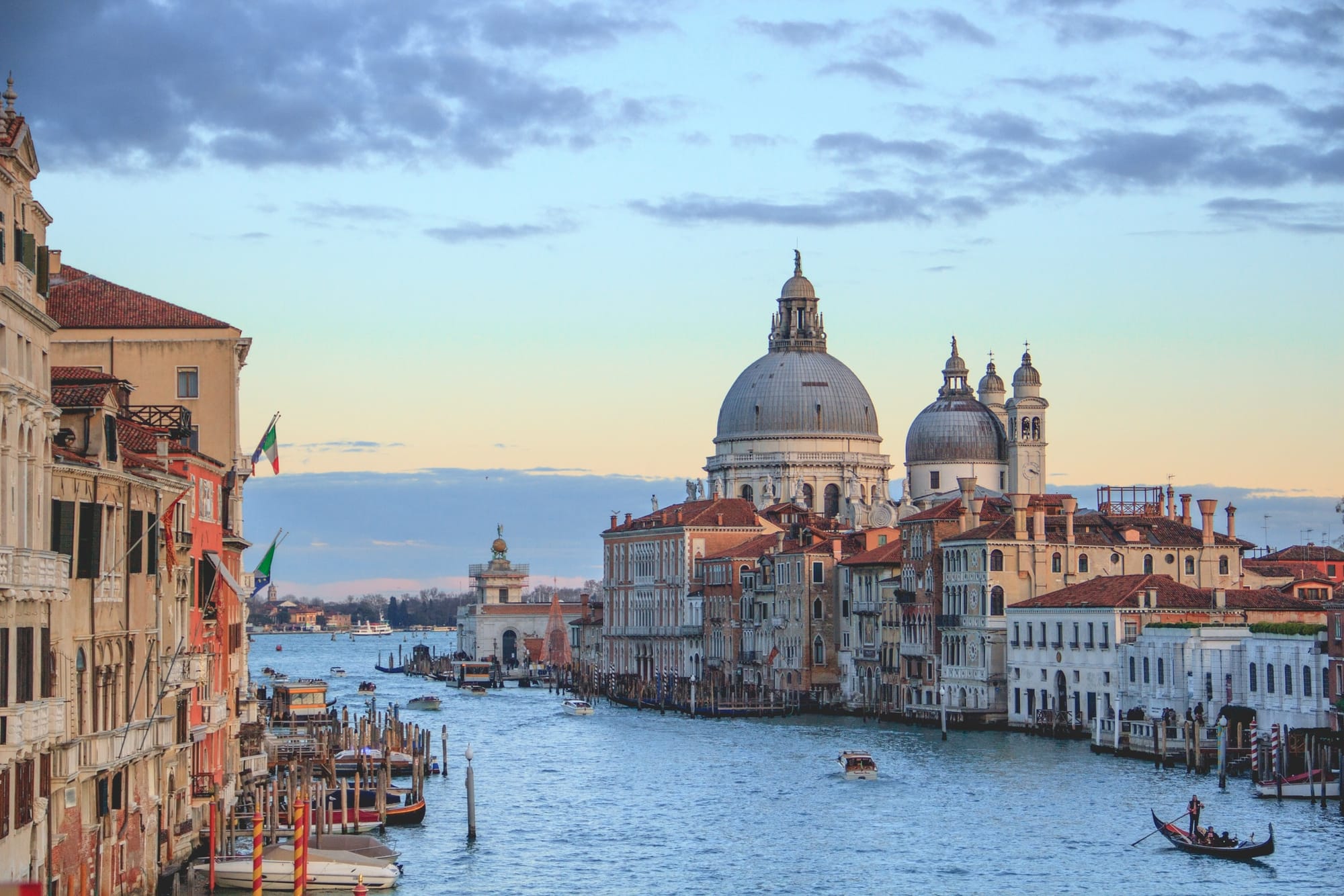
Venice is one of the most beautiful and unique cities in Italy, famous for its canals, historic architecture, and rich cultural heritage. The city’s charm comes from the fact that it is built on more than 100 small islands connected by bridges and separated by canals. This makes Venice unlike any other city in the world.
Venice has become a major tourist destination because of its incredible landmarks, such as St. Mark’s Basilica, the Doge’s Palace, and the Rialto Bridge. Visitors also love to wander through the narrow streets, admire the colorful houses, and experience the romantic atmosphere. The city is full of cozy cafés, artisan shops, and small squares, making every corner a photo-worthy moment.
One of the most remarkable features of Venice is that there are no cars in the city. Instead, people travel by boats, gondolas, and water taxis along the canals. This makes the city peaceful and quiet, as you can only hear the sound of water and the gentle movement of boats.
However, Venice faces serious challenges. Scientists warn that due to rising sea levels, climate change, and frequent flooding, parts of the city could be submerged within the next 70–80 years. Despite this, Venetians continue to live, work, and preserve their culture, and tourists keep visiting every year to enjoy its beauty.
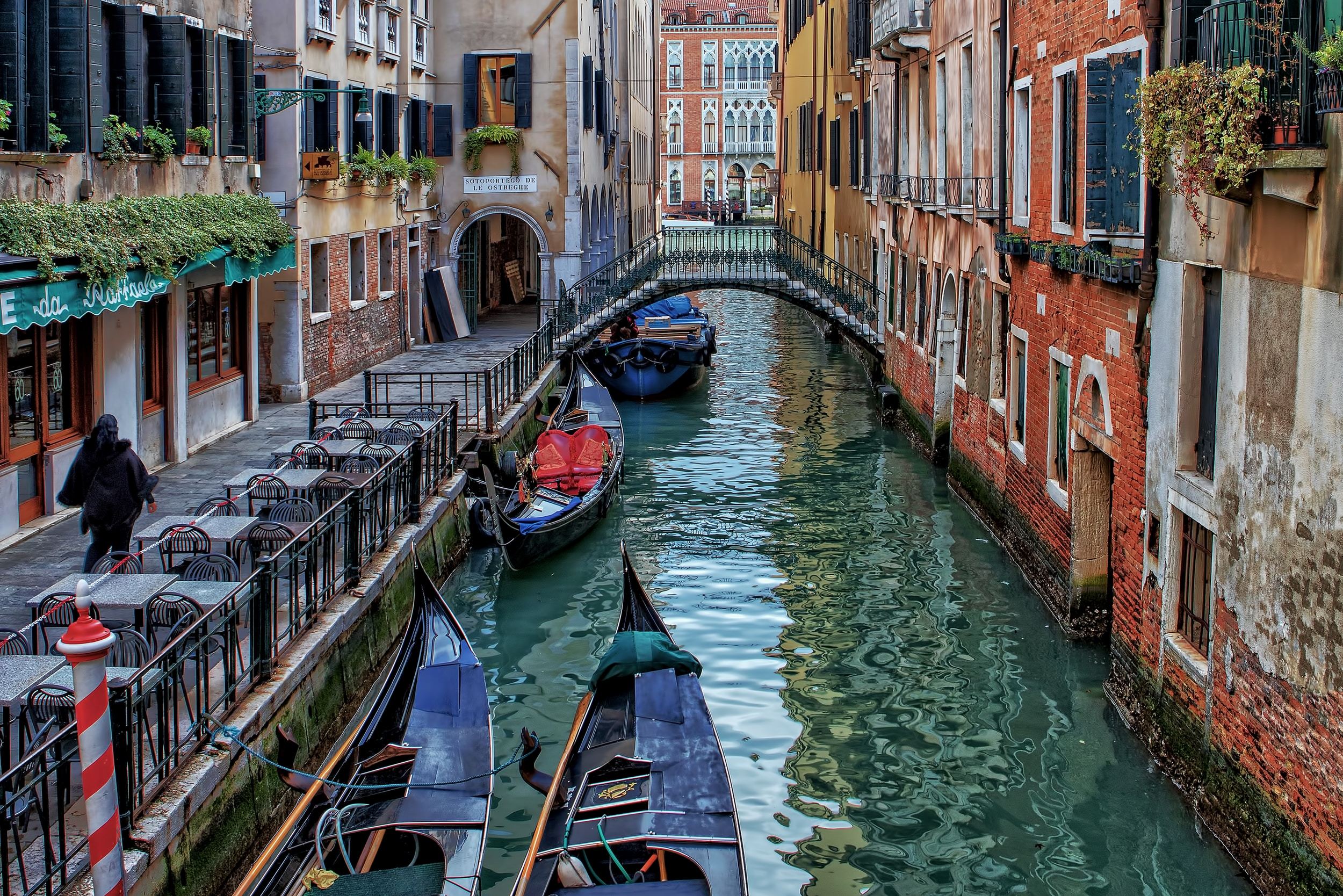
Venice is not just a city; it is a living museum, full of history, art, and life. Its unique location, combined with its traditions and stunning architecture, makes it a place that captures the imagination of everyone who visits. Even with the threat of climate change, Venice remains one of the most iconic cities in the world — a city that truly floats on water.
Visiting Venice is like stepping back in time. From riding a gondola through the canals to tasting local Italian cuisine in a small trattoria, every experience in Venice is unforgettable. This city reminds us of the beauty of human creativity and the importance of preserving our cultural treasures.